Introducing My Blog Built with Contentful
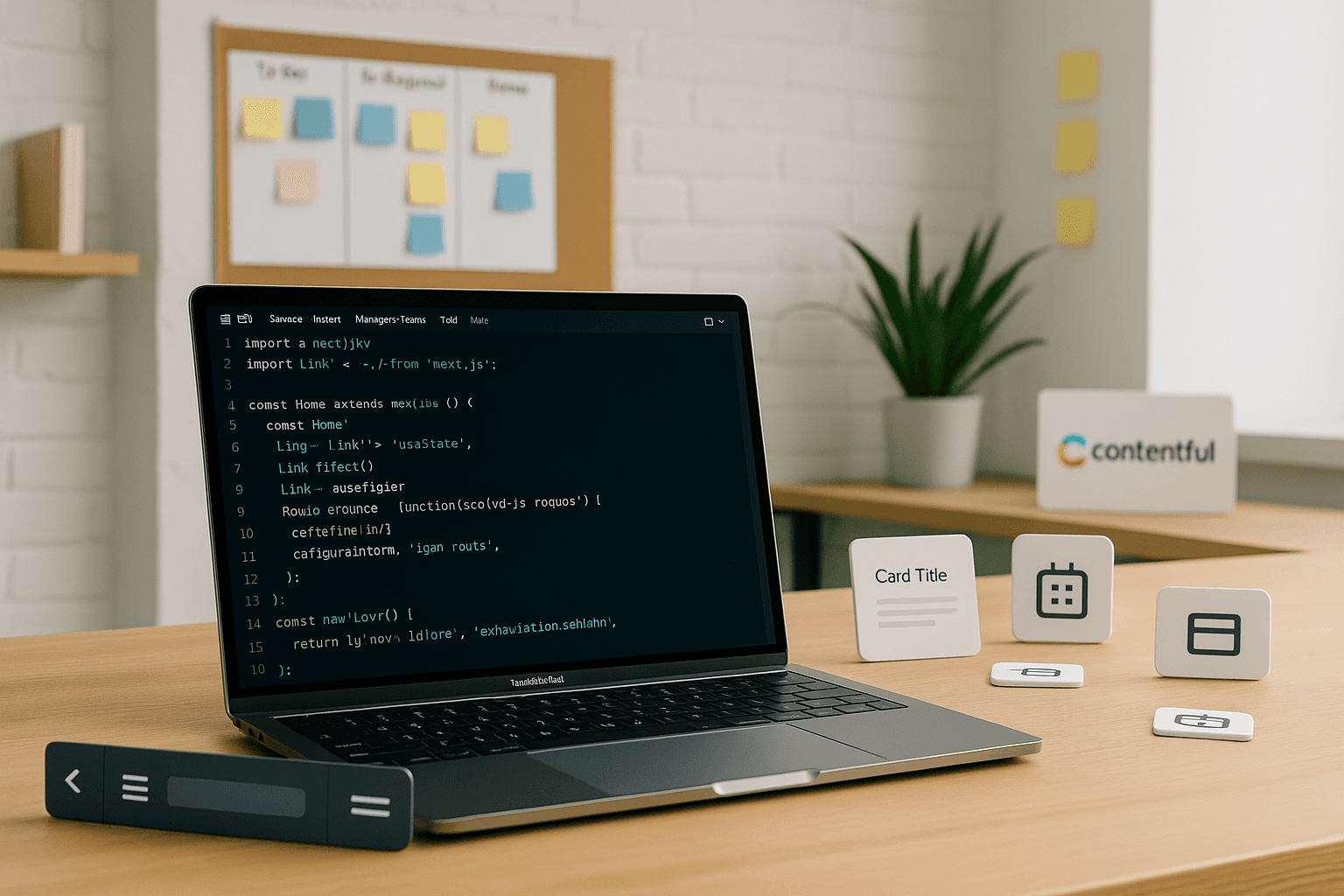
For the blog’s content management, I’ve integrated Contentful, a headless CMS, using their Content Delivery API. Meeting the folks at Contentful during the React Conference last year inspired me to explore their platform in depth and integrate it into my projects. Contentful makes it easy to create and manage content without worrying about database management or content structure. With the Delivery API, I fetch content dynamically, allowing me to update blog posts directly through Contentful’s user interface. This seamless integration ensures that new entries automatically appear on my site without requiring manual deployment.
Technical Highlights
Dynamic Routing: I used Next.js dynamic routes to create individual pages for each blog post based on its unique slug.
Data Fetching: Blog post data is retrieved at build time using Next.js, ensuring optimal performance and a smooth user experience.
Server Components: To enhance performance, I utilized Server Components to handle data fetching and rendering on the server, minimizing client bundle size and improving overall responsiveness.
Environment Variables: I securely stored my Contentful API secrets using Vercel environment variables, ensuring API keys were not exposed.
TypeScript: I defined strict types for the Contentful API responses, which helped me better understand the data structure and maintain consistency across the codebase.
Rich Text Types: I used rich text types and a documenttoreactrenderer to mutate and render rich text.
Next UI: I implemented Breadcrumbs for improved navigation and Code into the rich text renderer using Next UI.
Related Posts
Building Aurora Art Hub with Next.js and Supabase

Full-stack art platform built with Next.js and Supabase.
Building a Privacy-Conscious Website with Next.js

Privacy-focused Next.js site with MUI and consent-aware analytics.
Modernizing Web Applications in a Legacy Apache Environment
Modern web apps on legacy infrastructure.